Beaumont, CA • Blog
What Causes Kitchen Sink Clogs in Beaumont Homes
Grease is the main cause of kitchen sink clogs in Beaumont, but it is not the only one. Food, coffee grounds, soap, and mineral scale each add their own layer to the pipe, and the clog is usually a mix of all of them.
24/7 emergency line • Local Beaumont coverage • Clear diagnosis first
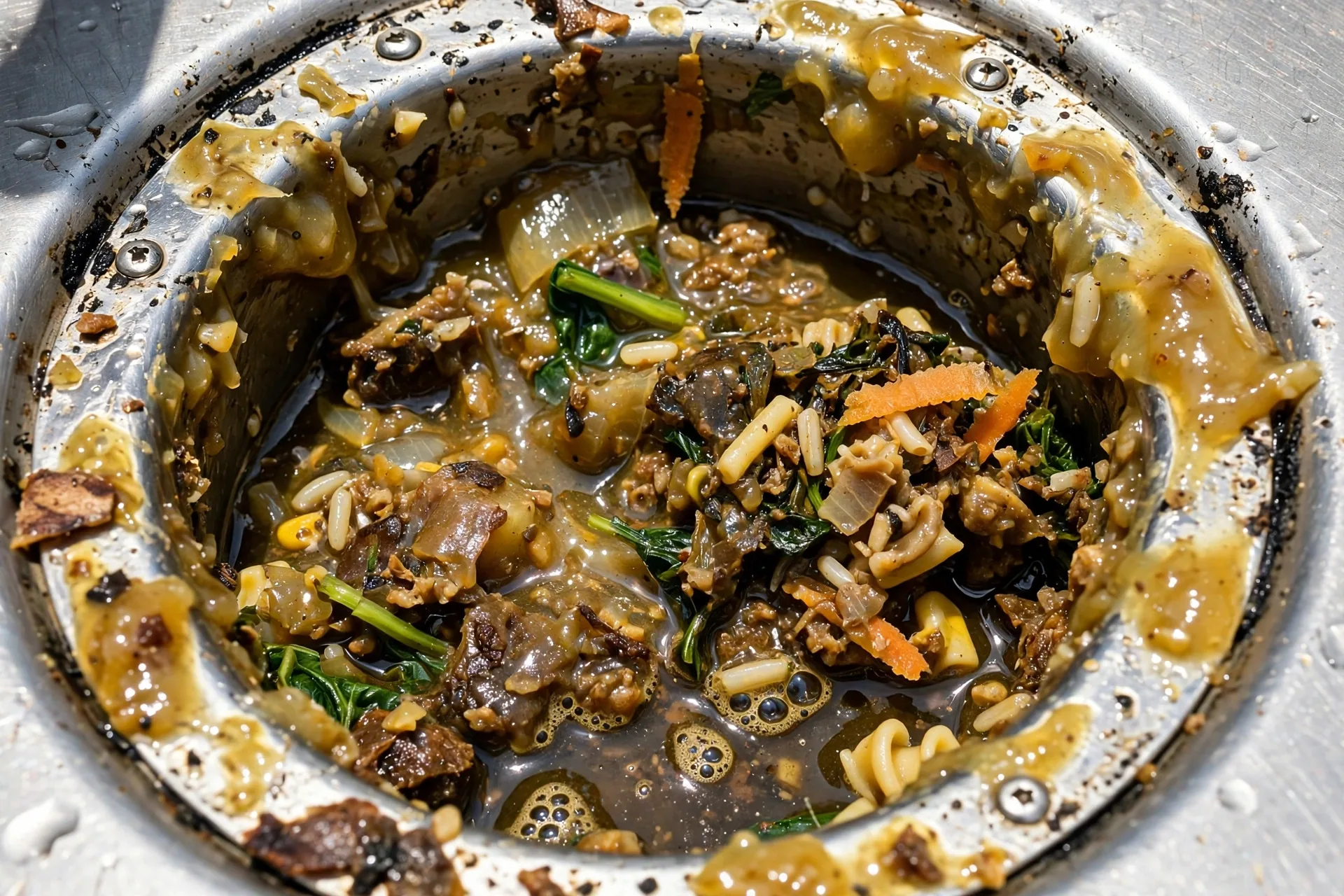
A kitchen sink clog rarely has a single cause. The clog that finally stops the drain is usually a mix of several things that have been building up inside the pipe for months: grease from cooking, food scraps that slipped past the strainer, coffee grounds that never break down, soap residue from washing up, and mineral scale from the hard water in the San Gorgonio Pass. Each one on its own slows the drain a little. Together they narrow the pipe until water can only pass slowly, or not at all.
This guide walks through each cause in turn: what it is, how it gets into the pipe, how it builds up, and what it looks like when the drain is opened or inspected with a camera. It also covers the Beaumont conditions that make clogs form faster here than in homes with softer water, and the habits that slow each cause down. A clog understood is a clog that can be prevented, and a drain that is understood is a drain that stays clear longer.
Grease: The Main Cause
Grease is the main cause of kitchen sink clogs in Beaumont homes. Cooking oil, bacon fat, and butter go down the drain as liquid and cool into a solid coating on the pipe walls. Hot water from the tap melts the top layer and carries it a little further down, where it cools and hardens again. Over months and years, that coating narrows the pipe until water can only pass slowly. A sink that drains a little slower every month is usually a grease coating growing thicker, not a single sudden blockage.
Grease is hard to notice while it builds, because it goes down the drain as a liquid and the sink drains normally after each meal. The coating grows a fraction at a time, and the drain slows so gradually that the change is easy to miss until the day the basin fills and stays full. A camera look inside a kitchen line with a grease problem shows the walls coated in a pale, waxy layer, sometimes thick enough to halve the width of the pipe.
The fix for a grease clog is to remove the coating, not just to punch a hole through it. A cable run clears a path through the grease, but the coating stays, and the drain slows again within weeks. A jetting clean strips the coating from the walls, so the drain starts over from a clean pipe. The habit that slows grease down is simple: pour cooking grease into a container for the bin instead of the drain, however hot the water running with it.
Food Scraps: What Slips Past the Strainer
Food scraps are the second cause of kitchen sink clogs. Rice and pasta swell in water and lodge in a narrowed pipe. Vegetable peelings, fruit skins, and small pieces of meat slip past the strainer and settle in the trap or in the first stretch of drain pipe. The disposal helps with small soft scraps, but it cannot clear a pipe that is already narrowed by grease, and it cannot grind bones, pits, or fibrous vegetables.
Food scraps on their own rarely close a clean pipe. They close a pipe that is already narrowed by grease, because the narrowed section catches what a clean pipe would carry through. That is why a kitchen sink clog is usually a mix: grease narrows the pipe, and food lodges in the narrowed section until the water cannot pass. A camera look inside a clogged kitchen line usually shows food packed into a grease coating, not food alone.
Scraping plates into the bin before washing is the habit that slows food clogs down. A strainer in the sink catches what scraping misses, and the disposal is used for small soft scraps only, fed slowly with cold water running. Bones, fruit pits, shells, and fibrous vegetables belong in the bin, not the disposal, because they will jam the unit or lodge in the drain past it.
Coffee Grounds: Small, Dense, and Permanent
Coffee grounds are a small cause with a large effect. Grounds do not break down in water, so they settle in the drain and pack into a dense plug. A spoonful of grounds down the drain each morning adds up over months, and the plug grows in the trap or in a narrowed section of pipe where the water slows. A drain clogged with coffee grounds feels different on a cable: the head comes back packed with dense, dark material that does not break apart easily.
Coffee grounds are also a problem because they mix with grease. Grounds caught in a grease coating add weight and density to the layer, and the mix is harder to clear than grease alone. A kitchen where coffee is made every morning and the grounds go down the sink will clog faster than a kitchen where the grounds go in the bin, even when everything else about the two kitchens is the same.
The fix is the simplest of all the causes in this guide: put coffee grounds in the bin. A French press, a pour-over filter, and a drip machine all leave grounds that belong in the bin or the compost, not the drain. It is a small habit, and it removes one of the densest materials that ever goes down a kitchen sink.
Soap Residue and Hard Water Scale
Soap residue is the quiet cause of kitchen sink clogs. Soap from washing up coats the pipe as it drains away, and the coating builds a little with every wash. On its own, soap residue takes a long time to narrow a pipe, but it mixes with grease and food, and the mix is stickier and thicker than any one of them alone. A drain with a soap coating holds food and grounds in place that a clean pipe would carry through.
Mineral scale is the Beaumont part of the story. Water in the San Gorgonio Pass runs mineral-heavy, supplied by the Beaumont-Cherry Valley Water District with imports through the San Gorgonio Pass Water Agency, and scale builds inside pipes over years. Scale is rough, and its roughness gives grease and soap something to grip, so buildup forms faster in older pipes here than in homes with softer water. A camera look inside an older Beaumont drain line often shows scale under the grease, and the two together are the reason the line narrows the way it does.
Soap and scale cannot be kept out of the drain entirely, because washing up needs soap and Beaumont water is what it is. What can be kept out is the grease and food that the soap and scale would otherwise hold in place. A drain with soap and scale alone takes years to narrow. A drain with soap, scale, grease, and food narrows in months. The habits that matter most are the ones that keep grease and food out of the pipe.
How the Causes Add Up, and What to Do About Them
A kitchen sink clog is almost never one cause alone. The usual clog is a layer of grease on the pipe walls, food lodged in the narrowed section, coffee grounds packed into the mix, and soap and scale holding it all together. Each cause on its own would take a long time to close a pipe. Together they close it in months, and the drain slows a little every week until the day it stands full.
That is why a clog that keeps returning needs more than another short clearing. A cable run punches a hole through the mix and leaves the rest of the coating in place, so the next clog forms faster. A jetting clean strips the coating from the walls, and a camera look shows whether the pipe itself is damaged underneath the buildup. A drain that has been cleaned properly and stays clear is a drain that was only dirty; a drain that clogs again is a drain that needs a repair.
The habits that slow every cause at once are the same ones repeated through this site: scrape plates into the bin, use a strainer in the sink, pour cooking grease into a container for the bin, put coffee grounds in the bin, and feed the disposal slowly with cold water running. None of them is hard, and together they keep a kitchen drain clear for far longer than any one of them alone. Call Beaumont Kitchen Sink Pros at (951) 555-0100 when a drain slows despite those habits, and we will connect you with an available local crew right away.
Frequently Asked Questions
What is the main cause of kitchen sink clogs in Beaumont?
Grease. Cooking oil, bacon fat, and butter go down the drain as liquid and cool into a solid coating on the pipe walls, narrowing the pipe a little at a time until water can only pass slowly.
Do coffee grounds clog kitchen drains?
Yes. Coffee grounds do not break down in water, so they settle in the drain and pack into a dense plug. Put coffee grounds in the bin instead of the drain.
Does hard water in Beaumont cause drain clogs?
Hard water leaves mineral scale inside pipes, and scale gives grease and soap something to grip, so buildup forms faster in older pipes here than in homes with softer water.
Why does my kitchen drain clog again after it was cleared?
A cable run punches a hole through the clog but leaves the coating of grease and scale on the pipe walls, so the next clog forms faster. A jetting clean strips the coating from the walls.
What should never go down the kitchen drain?
Cooking grease, coffee grounds, bones, fruit pits, shells, and fibrous vegetables. Each one either coats the pipe, packs into a plug, or jams the disposal.
Related Services
Kitchen Sink Unclogging in These Beaumont Neighborhoods
- Kitchen Sink Unclogging in Oak Valley, Beaumont, CA
- Kitchen Sink Unclogging in Fairway Canyon, Beaumont, CA
More from the Blog
- What to Do When Your Kitchen Sink Will Not Drain
- How to Prevent Kitchen Sink Clogs
- Warning Signs Your Kitchen Drain Is About to Clog
- Does Homeowners Insurance Cover Drain Cleaning?
Call (951) 555-0100 and we'll connect you with an available local crew right away.
Sink Not Draining in Beaumont?
Describe the clog and get a clear plan for getting it flowing again.
Call (951) 555-0100